A History of Persian Literature
The significance of Persian literature can also be gauged from its impact on some of the major European and American literary figures in history.
The significance of Persian literature can be gauged from its impact on some of the major European and American literary figures, such as Goethe, Matthew Arnold, and Emerson, to name only a few. E. M. Forster, the British novelist and critic, had this to say about Persian poetry when discussing English poetry: “Judged by its prose, English literature would not stand in the first rank. It is its poetry that raises it to the level of Greek, Persian or French.” Among the works that discuss the influence of Persian literature in the West, one may mention John D. Yohannan’s Persian Poetry in England and America: A Two Hundred Year History.
Judged by its prose, English literature would not stand in the first rank. It is its poetry that raises it to the level of Greek, Persian or French. – E. M. Forster
The demand for informative sources on Persian literature and the need for readable translations have assumed a new urgency in the context of developments that have taken place since the second half of the 20th century, with the growing interest in world literature in universities and elsewhere.
The lone voices of a few perceptive earlier scholars like Sir William Jones, objecting to the kind of cultural parochialism that could see nothing of value beyond a knowledge of the classical literature of Greece and Rome, has now become a most powerful and persuasive chorus, and the dominant trend in most faculties of arts and humanities. In most campuses a far more vigorous attempt is being made to establish undergraduate courses encompassing literatures such as Chinese, Japanese, Indian, Arabic, and Persian.
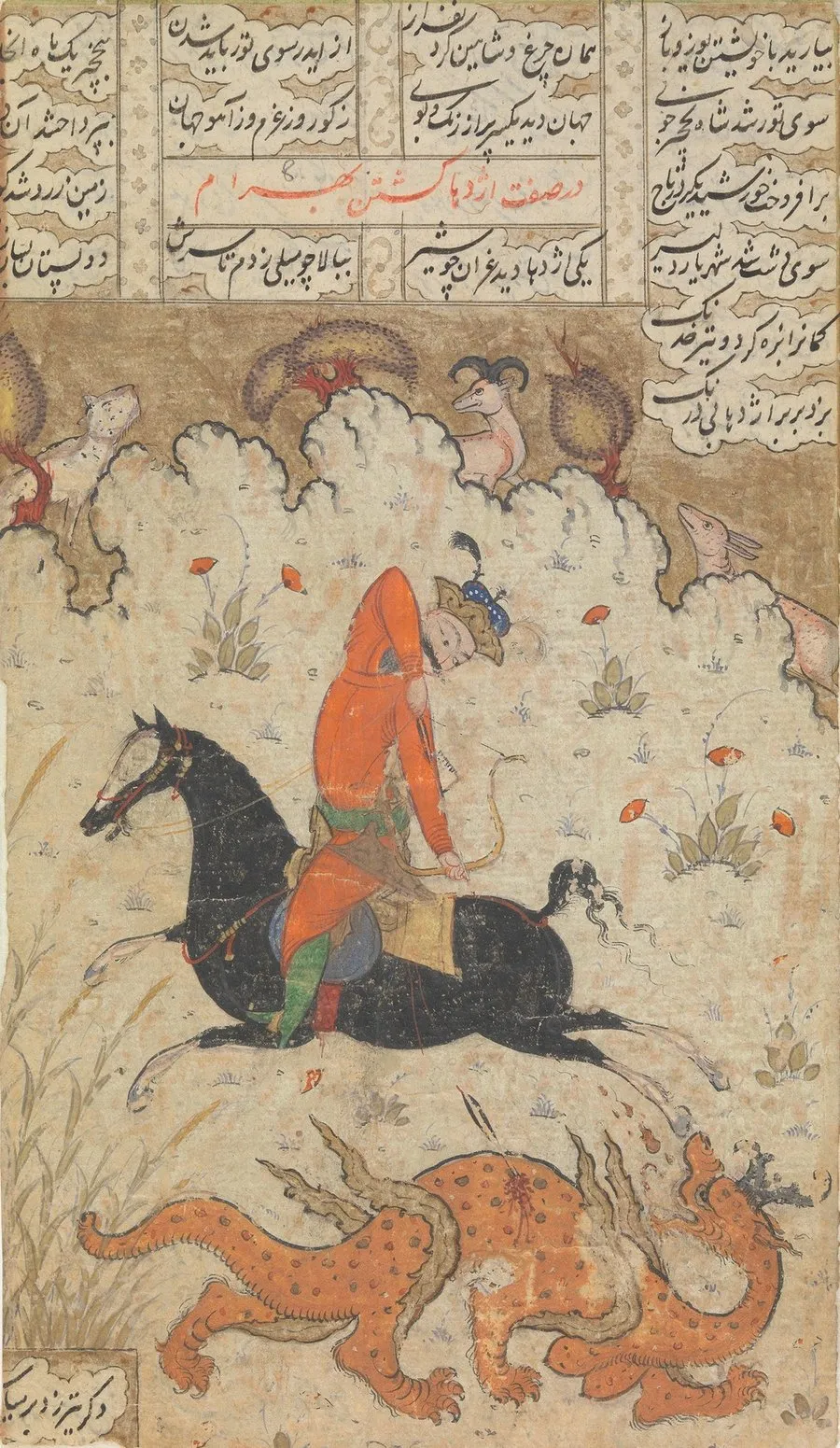
In this global context of cultural studies, Persian literature is a most fecund provider of thought-provoking texts dealing with metaphysical dilemmas in a creative, sophisticated and yet instantly appealing manner. Notice, for instance, the exceptional popularity of Dick Davis’ translations The Conference of the Birds (from a poem by Attar, 12th century) and The Legend of Seyavash (an episode from the Persian national epic, the Shahnameh, 10th century). The sheer range and richness of Persian poetry in different domains including mystical thought, ethical ideals and romances, and the wealth of the pertinent observations about human nature and its urbane speculations on wisdom both worldly and otherwise, couched in aesthetically superb lyrics, have ensured its growing popularity worldwide.
In short, Persian literature has a great deal to offer to students and general readers. A History of Persian Literature will provide a much-needed resource by offering a comprehensive survey, including the hitherto less-explored facets of this literature in different regions, as well as translations of specimens of both the poetry and the prose along with helpful commentaries. In the process, it will both inform and enlarge this international readership.